The Ultimate Guide To Companion Planting With Nasturtiums
The Ultimate Guide to Companion Planting with Nasturtiums
Nasturtiums are a beautiful and versatile flower that can be grown in a variety of settings. They are also a great choice for companion planting, as they have many beneficial qualities.
In this guide, we will discuss the benefits of companion planting with nasturtiums, as well as some of the best companion plants for nasturtiums. We will also provide some tips on how to plant and care for nasturtiums in your garden.
Benefits of Companion Planting with Nasturtiums
There are many benefits to companion planting with nasturtiums. Here are a few of the most important:
- Pest control: Nasturtiums are known to repel a variety of pests, including aphids, whiteflies, and squash bugs. This can help to protect your other plants from these pests, and it can also save you time and money on pesticides.
- Attracting pollinators: Nasturtiums are a favorite of pollinators, such as bees and butterflies. This can help to improve the pollination of your other plants, which can lead to a better harvest.
- Improving soil quality: Nasturtiums are nitrogen-fixing plants, which means they can help to improve the nitrogen content of the soil. This can benefit all of the plants in your garden.
- Ground cover: Nasturtiums can be used as ground cover, which can help to suppress weeds and keep the soil moist. This can save you time and effort in your garden.
Best Companion Plants for Nasturtiums
There are many different plants that can be companion planted with nasturtiums. Here are a few of the best:
- Beans: Beans and nasturtiums are a classic companion planting combination. The beans fix nitrogen in the soil, which benefits the nasturtiums, and the nasturtiums help to deter pests from the beans.
- Cucumbers: Nasturtiums can help to deter cucumber beetles from cucumbers. They can also help to improve the flavor of cucumbers.
- Peppers: Nasturtiums can help to deter aphids from peppers. They can also help to improve the flavor of peppers.
- Tomatoes: Nasturtiums can help to deter whiteflies and aphids from tomatoes. They can also help to improve the flavor of tomatoes.
- Herbs: Nasturtiums can be companion planted with many different herbs, including basil, parsley, and chives. These herbs can help to attract pollinators and deter pests.
How to Plant and Care for Nasturtiums
Nasturtiums are easy to plant and care for. Here are a few tips:
- Plant nasturtiums in full sun.
- Plant nasturtiums in well-drained soil.
- Water nasturtiums regularly, especially during hot weather.
- Fertilize nasturtiums with a balanced fertilizer every few weeks.
- Deadhead nasturtiums regularly to encourage more blooms.
Conclusion
Nasturtiums are a beautiful and versatile flower that can be a valuable addition to any garden. They are also a great choice for companion planting, as they have many beneficial qualities. If you are looking for a way to improve the health and productivity of your garden, consider companion planting with nasturtiums.
null
FAQ of nasturtium companion vegetables
Q: What are the best companion plants for nasturtiums?
A: Some of the best companion plants for nasturtiums include tomatoes, cucumbers, peppers, radishes, zucchini, lettuce, beans, peas, carrots, spinach, Swiss chard, cabbage, broccoli, cauliflower, and kale. These plants all have similar soil and sunlight requirements, and they can help to deter pests and attract pollinators.
Q: What are the benefits of planting nasturtiums with other vegetables?
A: There are several benefits to planting nasturtiums with other vegetables. First, nasturtiums can help to deter pests. The strong scent of nasturtiums can repel aphids, squash bugs, and other common garden pests. Second, nasturtiums can attract pollinators. The bright flowers of nasturtiums are attractive to bees, butterflies, and other pollinators, which can help to improve the pollination of your other vegetables. Third, nasturtiums can help to improve the soil. The roots of nasturtiums release nitrogen into the soil, which can help to fertilize your other plants.
Q: What are some good companion plants for nasturtiums that repel pests?
A: Some good companion plants for nasturtiums that repel pests include:
- Cucumbers: Cucumbers and nasturtiums have similar soil and sunlight requirements, and they can help to deter cucumber beetles.
- Tomatoes: Nasturtiums can help to deter aphids, whiteflies, and other pests that can damage tomatoes.
- Peppers: Nasturtiums can help to deter aphids, spider mites, and other pests that can damage peppers.
- Radishes: Radishes and nasturtiums can help to deter cabbageworms and other pests that can damage radishes.
- Zucchini: Nasturtiums can help to deter squash bugs, which can damage zucchini plants.
Q: What are some good companion plants for nasturtiums that attract pollinators?
A: Some good companion plants for nasturtiums that attract pollinators include:
- Lettuce: Lettuce flowers are attractive to bees, butterflies, and other pollinators.
- Beans: Beans attract bees, which can help to pollinate the beans and other plants in your garden.
- Peas: Peas attract bees, butterflies, and other pollinators.
- Carrots: Carrot flowers are attractive to bees, butterflies, and other pollinators.
- Spinach: Spinach flowers are attractive to bees, butterflies, and other pollinators.
Q: What are the best conditions for growing nasturtiums?
A: Nasturtiums prefer full sun and well-drained soil. They can tolerate some light shade, but they will not bloom as well in shady conditions. Nasturtiums are not particularly fussy about soil type, but they will do best in soil that is rich in organic matter.
Image of nasturtium companion vegetables
5 different images of "nasturtium companion vegetables" from Pinterest:
- Nasturtiums and tomatoes: Nasturtiums help to deter pests from tomatoes, such as aphids, whiteflies, and spider mites. They also attract pollinators, which help to pollinate the tomatoes.
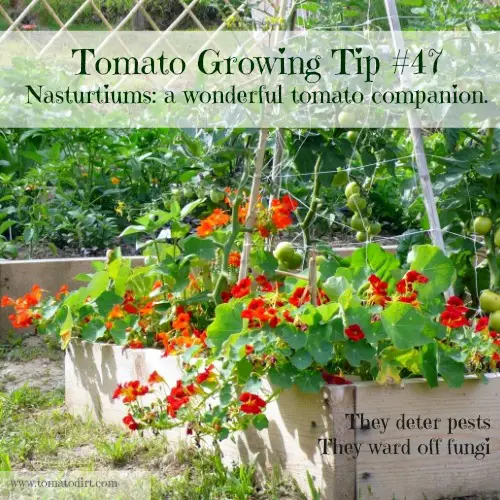
- Nasturtiums and cucumbers: Nasturtiums help to repel cucumber beetles, which are a common pest of cucumbers. They also help to improve the flavor of cucumbers.

- Nasturtiums and beans: Nasturtiums help to attract beneficial insects, such as ladybugs, which prey on pests that can harm beans. They also help to improve the soil quality around beans.
- Nasturtiums and peas: Nasturtiums help to deter aphids, which are a common pest of peas. They also help to improve the nitrogen content of the soil around peas.
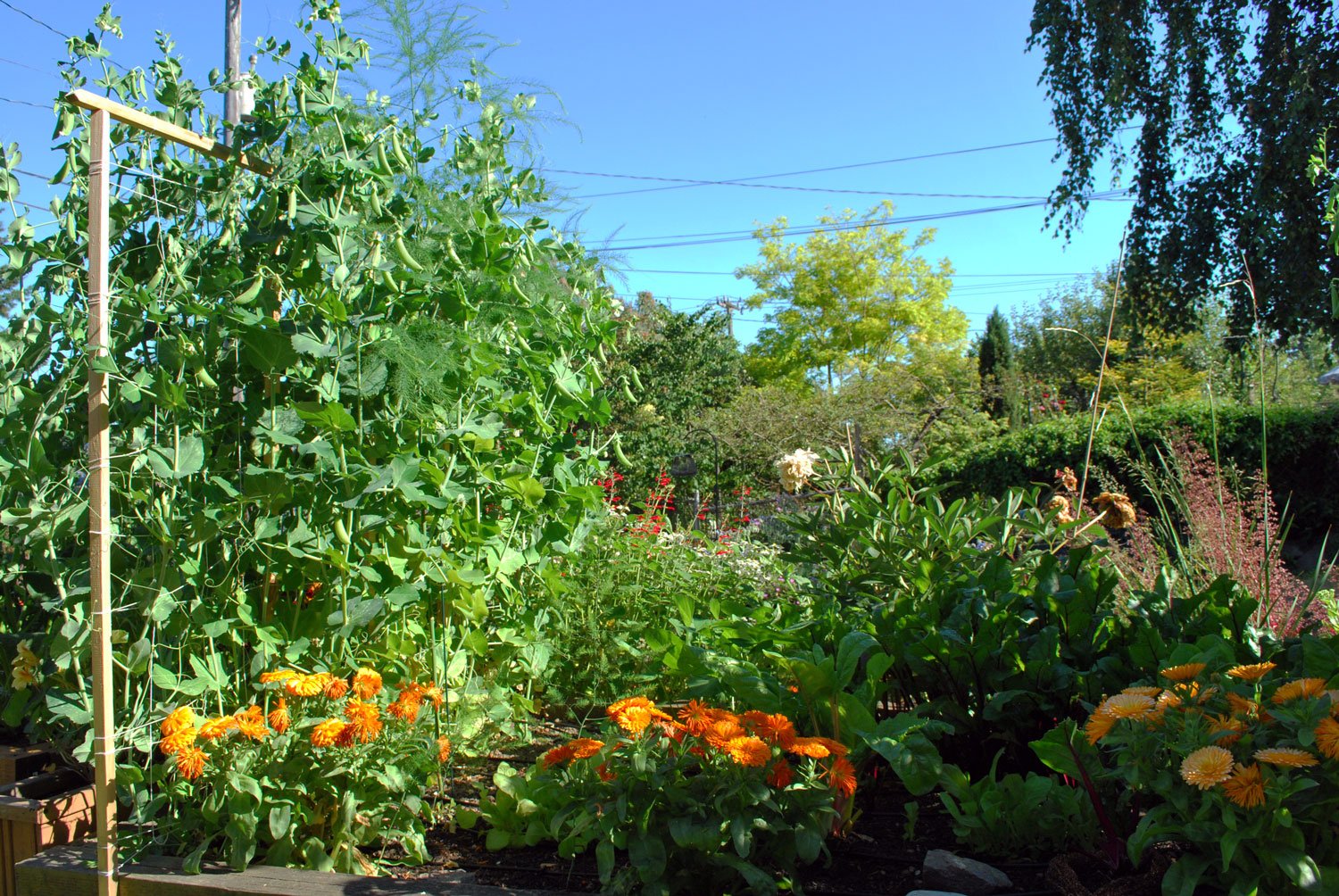
- Nasturtiums and carrots: Nasturtiums help to repel carrot flies, which are a common pest of carrots. They also help to improve the flavor of carrots.

Post a Comment for "The Ultimate Guide To Companion Planting With Nasturtiums"