Different Types Of Mulch: Which One Is Right For You
Title: Different Types of Mulch: Which One is Right for You?
Introduction:
Mulch is a layer of material that is spread around plants to help improve the soil, suppress weeds, and conserve water. There are many different types of mulch available, each with its own unique benefits and drawbacks. In this blog post, we will discuss the different types of mulch, so you can choose the right one for your garden.
Main Content:
Organic Mulch
Organic mulch is made from plant materials that have decomposed over time. It is the most common type of mulch, and it offers a variety of benefits. Organic mulch helps to improve the soil by adding organic matter, which helps to hold water and nutrients. It also helps to suppress weeds by blocking out sunlight. Additionally, organic mulch can help to improve the appearance of your garden.
Some popular types of organic mulch include:
- Wood chips: Wood chips are a versatile type of mulch that can be used around a variety of plants. They are available in a variety of colors and sizes, and they can be used to create a natural look in your garden.
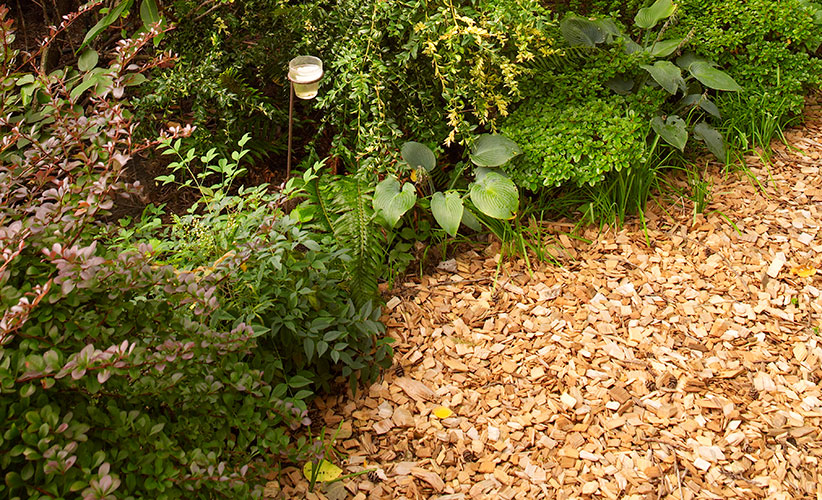
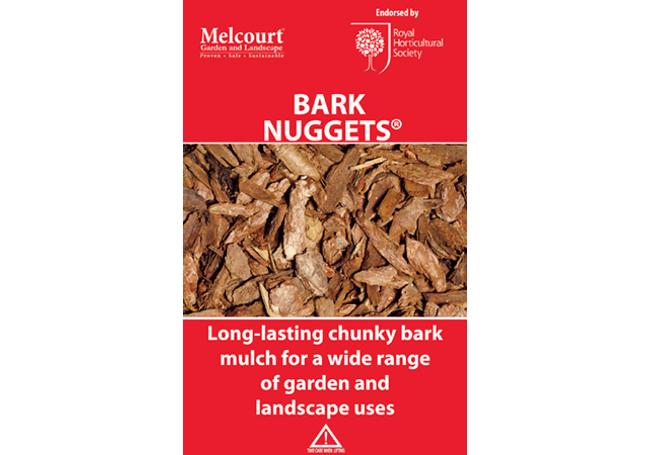
- Shredded bark: Shredded bark is another popular type of organic mulch. It is made from bark that has been shredded into small pieces. Shredded bark is a good choice for suppressing weeds, and it can also help to improve the drainage in your garden.
- Pine needles: Pine needles are a good choice for mulching around acid-loving plants, such as rhododendrons and azaleas. They help to keep the soil acidic, and they also help to suppress weeds.
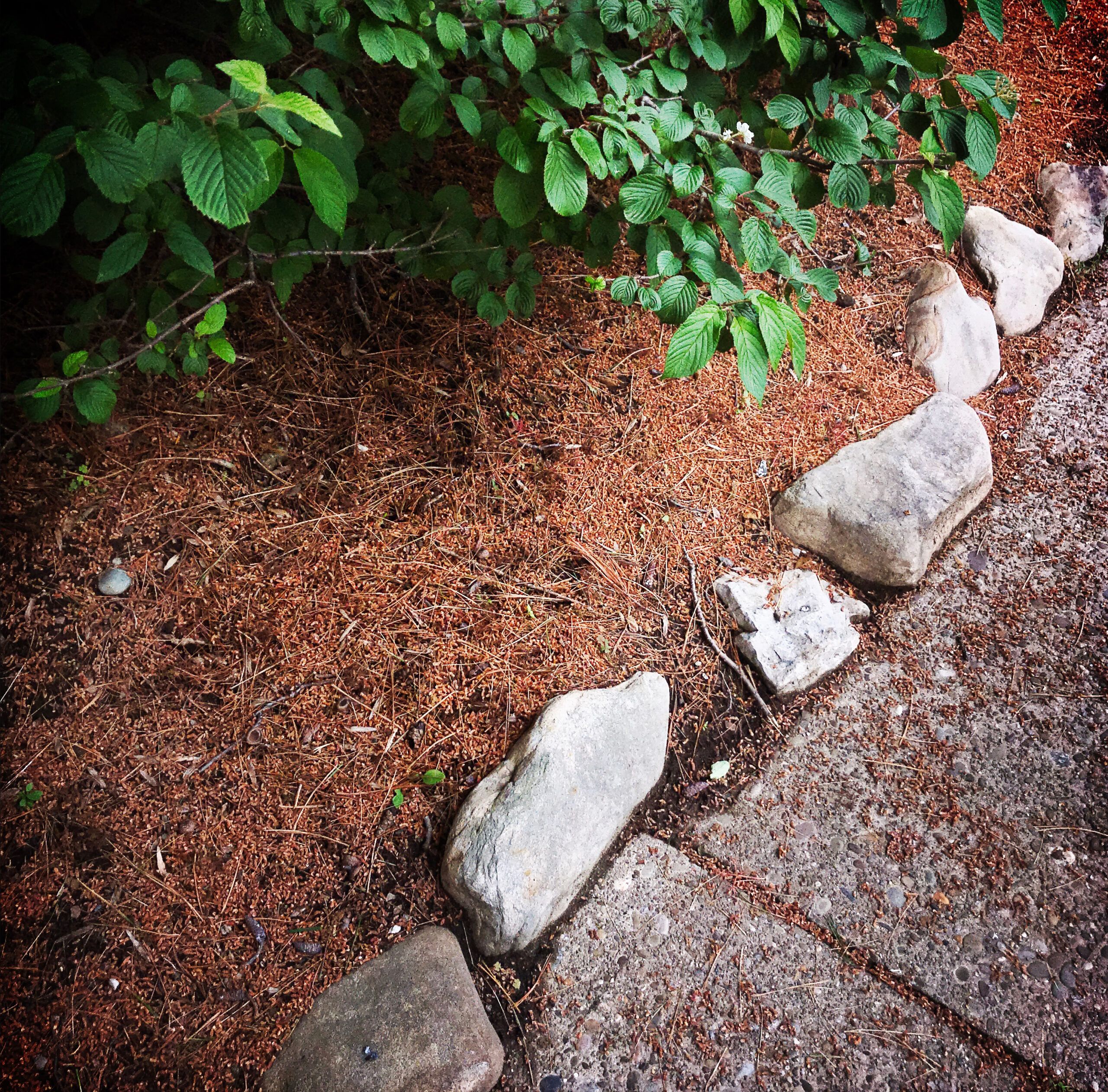
- Compost: Compost is a type of organic mulch that is made from decomposed plant material. It is a great choice for improving the soil, and it can also help to suppress weeds.
Inorganic Mulch
Inorganic mulch is made from materials that do not decompose over time. It is less common than organic mulch, but it offers some unique benefits. Inorganic mulch does not attract pests or diseases, and it is not affected by weather conditions. Additionally, inorganic mulch can help to reflect heat, which can help to warm the soil in cold climates.
Some popular types of inorganic mulch include:
- Gravel: Gravel is a good choice for mulching around plants that need good drainage. It helps to keep the soil cool, and it also helps to suppress weeds.
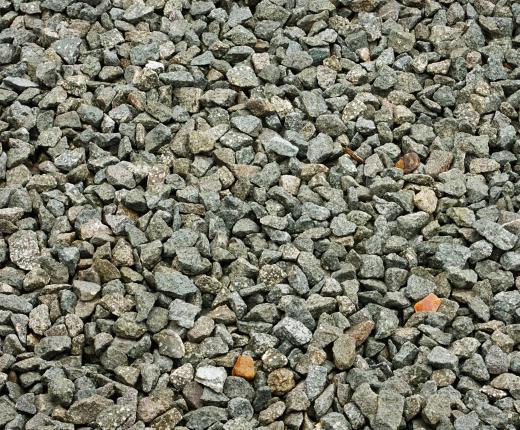
- Rocks: Rocks are another good choice for mulching around plants that need good drainage. They are also a good choice for creating a formal look in your garden.
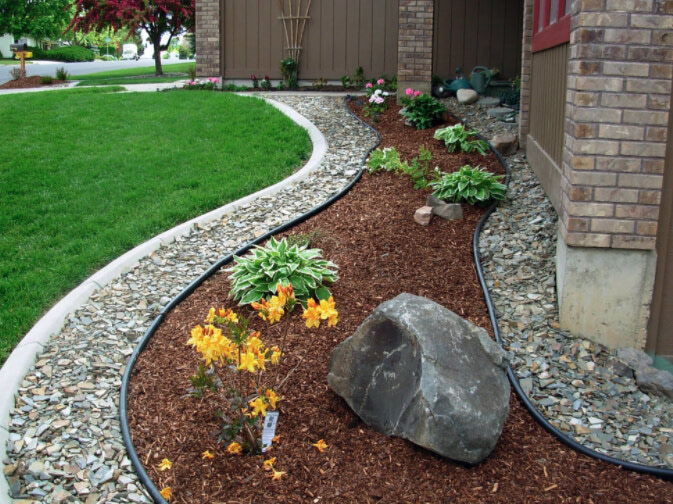
- Black plastic: Black plastic is a type of inorganic mulch that is used to suppress weeds. It is not very attractive, but it is very effective at preventing weeds from growing.

Choosing the Right Mulch
The best type of mulch for your garden will depend on a variety of factors, including the type of plants you are growing, the climate in your area, and your personal preferences. If you are not sure which type of mulch to choose, it is always best to consult with a gardening expert.
Conclusion:
Mulch is a valuable tool for any gardener. It can help to improve the soil, suppress weeds, and conserve water. By choosing the right type of mulch for your garden, you can help to create a healthy and beautiful landscape.
Want to learn more about different types of mulch? Visit our website at Home Gardening for a comprehensive guide. We cover everything from the different types of mulch available to how to choose the right one for your needs. You'll also find helpful tips on how to apply mulch and maintain it for years to come.
Visit our website today to learn more about mulch!
FAQ of different types of mulch
- What are the different types of mulch?
There are two main types of mulch: organic and inorganic. Organic mulches are made from plant materials, such as wood chips, bark, leaves, and straw. They decompose over time, adding nutrients to the soil. Inorganic mulches are made from non-organic materials, such as rock, gravel, and plastic. They do not decompose, but they can help to retain moisture and suppress weeds.
- What are the benefits of using mulch?
Mulch has many benefits, including:
* Retaining moisture: Mulch helps to keep the soil moist, which can help plants to survive during dry periods.
* Suppressing weeds: Mulch can help to suppress weeds by blocking out sunlight and preventing them from germinating.
* Protecting the soil: Mulch can help to protect the soil from erosion and compaction.
* Improving soil quality: Organic mulches can help to improve soil quality by adding nutrients and organic matter.
* Attracting beneficial insects: Mulch can attract beneficial insects, such as ladybugs and spiders, which can help to control pests.
- What is the best type of mulch for my garden?
The best type of mulch for your garden will depend on a number of factors, including the type of plants you are growing, the climate in your area, and your personal preferences. Here are some general guidelines:
* For trees and shrubs: Use a thick layer of organic mulch, such as wood chips or bark, to help retain moisture and suppress weeds.
* For flowers and vegetables: Use a thinner layer of organic mulch, such as straw or leaves, to help retain moisture and prevent the soil from splashing onto leaves and flowers.
* In hot, dry climates: Use a water-retentive mulch, such as rock or gravel, to help keep the soil moist.
* In cold climates: Use a shredded bark mulch to help insulate the soil and protect plants from frost.
- How much mulch should I use?
The amount of mulch you need will depend on the size of your garden and the type of mulch you are using. In general, you should apply a layer of mulch that is 2-4 inches thick.
- How often should I reapply mulch?
You will need to reapply mulch as it decomposes and breaks down. Organic mulches typically need to be replaced every 2-3 years. Inorganic mulches, such as rock and gravel, do not need to be replaced as often.
Image of different types of mulch
Wood chips are a popular choice for mulch because they are relatively inexpensive and easy to find. They come in a variety of colors, including brown, black, and red. Wood chips help to retain moisture in the soil, suppress weeds, and improve drainage.
2. Pine needles are another popular choice for mulch. They are soft and fluffy, and they help to acidify the soil, which is beneficial for some plants. Pine needles also help to suppress weeds and retain moisture.
3. Shredded bark is a type of mulch that is made from ground-up bark. It is a good choice for areas where you want to suppress weeds, as it is difficult for weeds to grow through shredded bark. Shredded bark also helps to retain moisture and improve drainage.

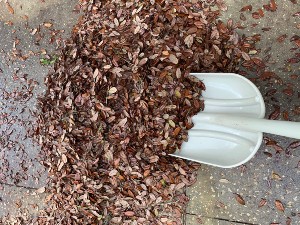
 5. Oak leaves are a good choice for mulch if you want to use a natural and organic material. Oak leaves help to retain moisture and suppress weeds. They also add a touch of autumn color to your garden.
 6. Pea gravel is a type of mulch that is made from small, smooth stones. It is a good choice for areas where you want a low-maintenance mulch. Pea gravel helps to suppress weeds and improve drainage.
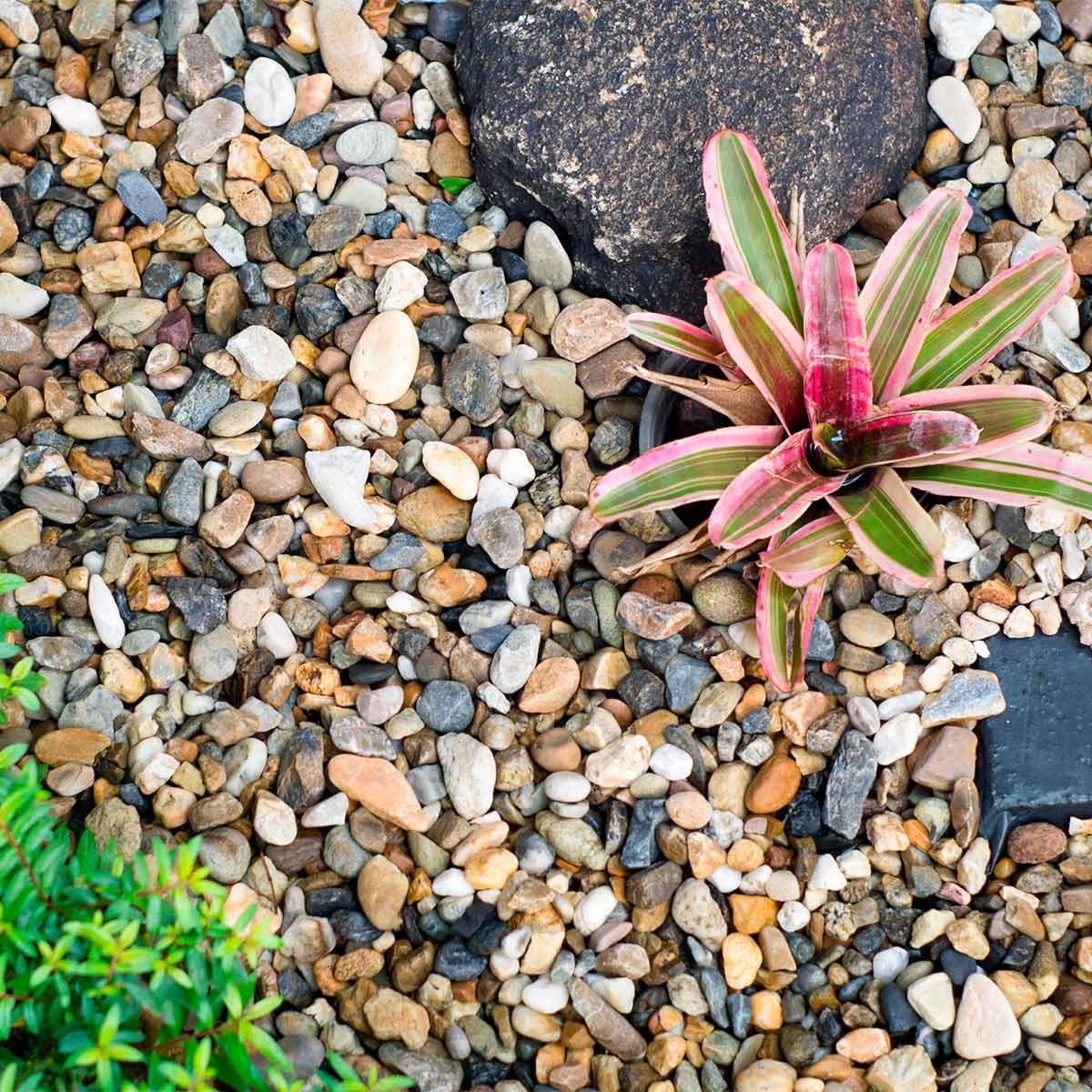 7. Stone chips are a type of mulch that is made from larger stones. They are a good choice for areas where you want a more durable mulch. Stone chips help to suppress weeds and improve drainage.
8. Coir is a type of mulch that is made from coconut husks. It is a good choice for areas where you want a sustainable mulch. Coir helps to retain moisture and suppress weeds.
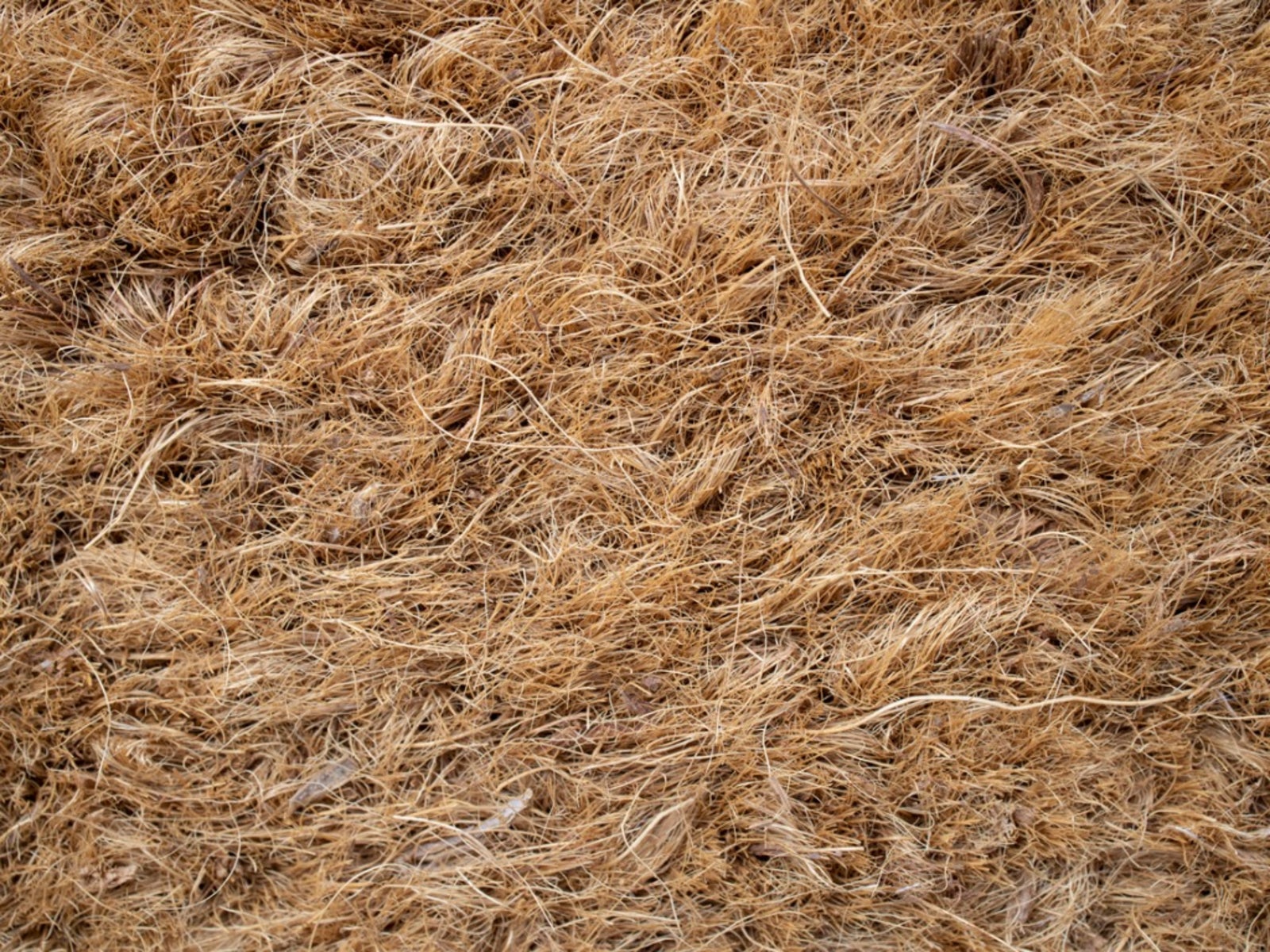 9. Paper bark is a type of mulch that is made from ground-up paper. It is a good choice for areas where you want a biodegradable mulch. Paper bark helps to retain moisture and suppress weeds.
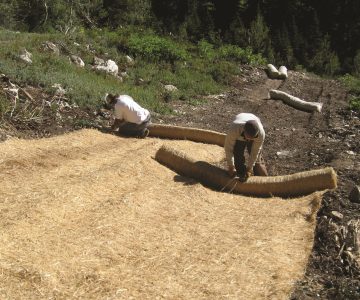
10. Erosion control blankets are a type of mulch that is made from synthetic materials. They are a good choice for areas where you want to prevent erosion. Erosion control blankets help to retain moisture and suppress weeds.

Post a Comment for " Different Types Of Mulch: Which One Is Right For You"